
- All
- Product Name
- Product Keyword
- Product Model
- Product Summary
- Product Description
- Multi Field Search
Views: 0 Author: Site Editor Publish Time: 2026-02-06 Origin: Site


Are you considering a ceiling upgrade? PVC ceilings might be the perfect solution for you.
These ceilings are not only stylish but also moisture-resistant and easy to install.
In this guide, we’ll explore the benefits of PVC ceiling installation and provide a step-by-step process for beginners. You’ll learn everything you need to know to successfully install your own PVC ceiling and enhance your living space.
PVC ceiling installation refers to the process of fitting panels made from polyvinyl chloride (PVC) onto a ceiling structure. This method has gained popularity due to its simplicity and effectiveness. The installation process typically involves several key steps, including measuring the ceiling area, preparing the surface, and securing the panels in place.
1. Preparation: Start by cleaning the ceiling and ensuring it is free of dust and debris. This step is crucial for a smooth installation.
2. Framework Setup: Install furring strips or keels, which provide support for the PVC panels. Ensuring these elements are level is essential for a professional finish.
3. Panel Installation: Cut the PVC panels to size and begin placing them on the framework, securing them with screws or adhesive.
PVC ceilings are versatile and suitable for various settings. Below are some common applications:
Application Area | Description |
Kitchens | Resistant to moisture, making them ideal for humid environments. |
Bathrooms | Their waterproof nature helps prevent mold and mildew. |
Offices | PVC ceilings provide a clean, modern look, enhancing aesthetics. |
Commercial Spaces | Used in stores and restaurants for easy maintenance and durability. |
These applications highlight the adaptability of PVC ceilings, making them a popular choice for both residential and commercial spaces.
Tianfuda offers a wide range of PVC ceiling products designed to cater to diverse interior decoration needs. Their offerings include various styles, colors, and textures, allowing homeowners and businesses to choose options that best fit their aesthetic preferences.
● Product Range: From waterproof decorative ceiling panels to cost-effective options, Tianfuda's products are designed for durability and ease of installation.
● Quality Assurance: Each product comes with certifications ensuring compliance with international quality standards, giving customers peace of mind.
● User-Friendly Installation: Tianfuda provides detailed installation guides and customer support, making it easier for beginners to achieve professional results.
With Tianfuda's commitment to quality and innovation, they stand out in the market, offering solutions that enhance both functionality and beauty in any space.
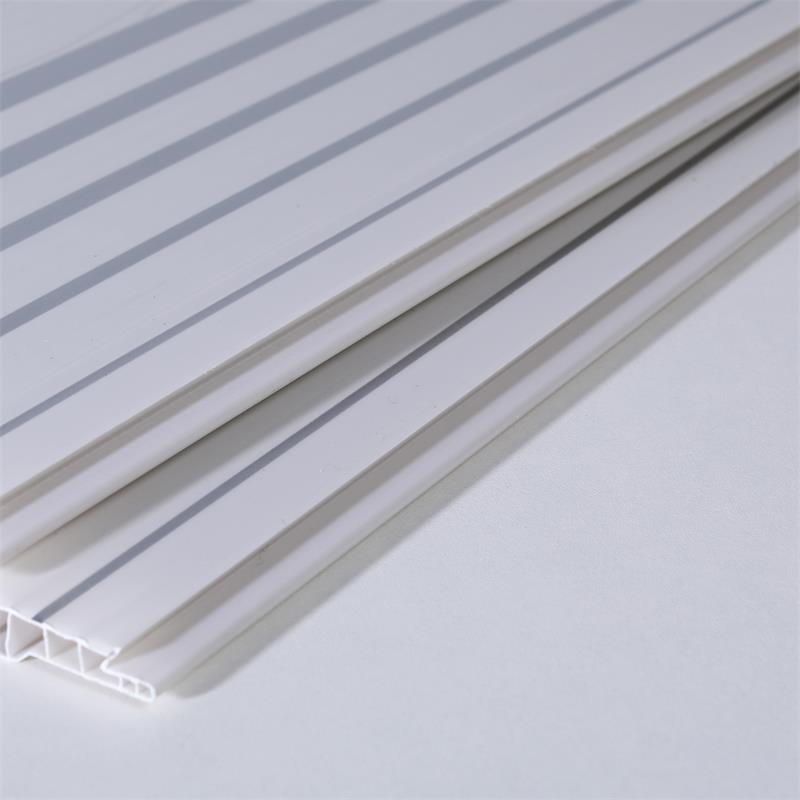
When preparing for PVC ceiling installation, having the right tools is crucial. Here’s a list of essential tools you’ll need:
● Tape Measure: Accurate measurements ensure panels fit perfectly.
● Electric Drill: Used for creating holes and securing panels.
● Utility Knife: Ideal for cutting PVC panels to the desired size.
● Screwdriver: Necessary for fastening screws into the panels and framework.
● Level: Ensures that your installation is straight and even.
These tools will help make your installation process smoother and more efficient.
Selecting the right materials is equally important for a successful installation. Here are the key materials you will need:
Material Type | Description |
PVC Panels | Available in various styles, including decorative and plain options. |
Trims and Molding | Used to finish edges and corners, providing a polished look. |
Adhesives | PVC-compatible adhesives help secure panels without visible fasteners. |
Fasteners | Screws or staples to attach panels to the framework securely. |
Choosing quality materials not only enhances the appearance but also ensures durability.
Tianfuda offers a range of high-quality PVC ceiling products that cater to different needs. Here are two standout options:
● High Quality Waterproof PVC Decorative Ceiling Panel: This panel is perfect for moisture-prone areas like kitchens and bathrooms. Its design combines functionality with aesthetic appeal.
● Factory Price New Style Popular Ceiling PVC Panel: An affordable option that doesn’t compromise on style, this panel is ideal for general home interiors and commercial spaces.
These products from Tianfuda are designed to be user-friendly, ensuring that even beginners can achieve great results.
Before starting your PVC ceiling installation, preparation is key. Here are some tips to ensure you’re ready:
1. Gather All Tools and Materials: Make sure everything is on hand to avoid interruptions during installation.
2. Create a Clean Workspace: A tidy area helps prevent accidents and makes the process easier.
3. Read Installation Instructions: Familiarize yourself with the installation guide provided by Tianfuda. Understanding the steps beforehand can save time and effort.
By following these preparation tips, you’ll set yourself up for a successful PVC ceiling installation.
Before diving into PVC ceiling installation, proper preparation is essential. Start by cleaning the surface where the panels will be installed. Remove dust, dirt, and any old materials to ensure a smooth application. This step is crucial for achieving a professional finish.
Next, check the structural integrity of the ceiling. Look for any signs of damage or weakness that could affect the installation. If the ceiling is uneven or has sagging areas, address these issues before proceeding. A stable foundation is key to a successful installation.
The framework is the backbone of your PVC ceiling. Begin by installing furring strips or keels, which provide support for the panels. These strips should be spaced evenly, typically 16 to 24 inches apart, depending on the panel size.
Importance of Horizontal Alignment:
Ensuring that the framework is level is critical. Use a level tool to check your work as you go. An uneven framework can lead to misaligned panels, creating an unsightly appearance.
Accurate measurements are vital when cutting PVC panels. Use a tape measure to determine the length needed for each panel. Mark the measurements clearly and use a utility knife for clean cuts.
Tips for Leaving Expansion Gaps:
When cutting, remember to leave a small gap (about 1/8 inch) around the edges of each panel. This gap allows for expansion and contraction, which can occur due to temperature changes. Ignoring this step may lead to warping or buckling over time.
Now it’s time to install the first panel. Position it carefully against the framework, ensuring it aligns with the edges. Secure the panel using screws or adhesive, depending on your preference. If using screws, place them at regular intervals to ensure stability.
Detailed Instructions:
● Start at one corner of the room.
● Use a level to make sure the panel is straight.
● Secure it firmly before moving on to the next panel.
Once the first panel is secured, it’s time to install the subsequent panels. Most PVC panels feature a tongue-and-groove design, allowing them to interlock seamlessly.
Joining Subsequent Panels:
● Slide the tongue of the new panel into the groove of the previous one.
● Ensure a snug fit to prevent gaps.
● Secure the new panel in place, following the same method as before.
As you approach the last panel, measure carefully to ensure it fits perfectly. Cut it to size, leaving the necessary expansion gap.
Fitting the Last Panel:
● Position it in place and check for alignment.
● Secure it using the same method as the previous panels.
● Make sure all seams are tight and even for a polished look.
With these steps, you’ll have successfully installed your PVC ceiling. Enjoy the fresh new look and the benefits of your hard work!
Installing PVC ceilings can be straightforward, but several challenges may arise during the process. Being aware of these common issues will help you address them effectively.
One frequent problem is uneven panels. This issue can stem from an improperly installed framework or misalignment during installation. To resolve this, always ensure that your furring strips or keels are level before attaching the panels. If you notice unevenness after installation, you may need to adjust the framework or reposition the affected panels.
● Tip: Use a level frequently during installation to catch any misalignments early.
Visible seams between panels can detract from the overall appearance of your ceiling. To achieve a seamless look, make sure each panel fits snugly into the next.
Methods to Minimize Seams | Description |
Tongue-and-Groove Design | Use panels with a tongue-and-groove system for better alignment. |
Proper Cutting | Ensure each panel is cut accurately to prevent gaps. |
Adhesive Application | Use a high-quality adhesive to secure panels tightly. |
By following these methods, you can create a visually appealing ceiling without distracting seams.
Cracks and sags in PVC ceilings can occur due to temperature fluctuations or improper installation. To prevent these issues, always leave expansion gaps when installing panels.
● Fixing Cracks: If you notice cracks, they can often be repaired with a PVC-compatible filler. Apply it carefully and sand it down for a smooth finish.
● Addressing Sags: If panels sag, check the support structure. Reinforcing the framework may be necessary to provide adequate support.
Tianfuda is dedicated to helping customers navigate the installation process. They offer comprehensive installation guides that provide step-by-step instructions, making it easier for beginners to follow along.
Additionally, their customer support team is readily available to answer any questions or concerns you may have during your installation journey. Whether you need advice on product selection or troubleshooting tips, Tianfuda is there to assist you every step of the way.
By leveraging their resources, you can overcome common challenges and achieve a successful PVC ceiling installation.
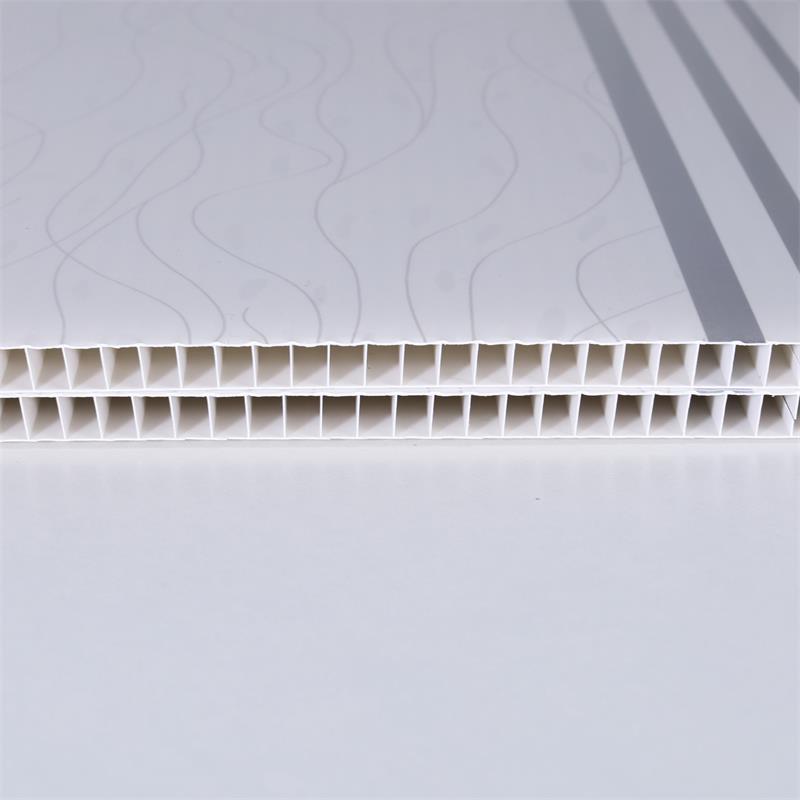
Maintaining your PVC ceiling is essential for keeping it looking fresh and new. Here are some best practices for cleaning:
● Use Mild Detergents: For regular cleaning, a mixture of warm water and mild detergent works wonders. Avoid harsh chemicals, as they can damage the surface.
● Soft Cloth or Sponge: Use a soft cloth or sponge to wipe down the panels. This prevents scratches and ensures a gentle clean.
● Tianfuda’s Easy-to-Clean Surface: One of the standout features of Tianfuda PVC ceilings is their smooth surface, which resists dust and stains. This quality makes cleaning easier and less frequent.
Cleaning Frequency | Recommended Method |
Monthly | Wipe down with a damp cloth and mild detergent. |
Quarterly | Deep clean using a soft sponge and soapy water. |
Annually | Inspect for any damage and clean thoroughly. |
These practices will help keep your ceiling in excellent condition while enhancing its lifespan.
Preventive maintenance is key to avoiding moisture-related issues and extending the life of your PVC ceilings. Here are some tips to consider:
1. Control Humidity Levels: High humidity can lead to mold and mildew. Use dehumidifiers in areas prone to moisture, like kitchens and bathrooms.
2. Ensure Proper Ventilation: Good airflow helps reduce moisture buildup. Make sure your rooms are well-ventilated, especially during cooking or bathing.
3. Regular Inspections: Periodically check for signs of damage or wear. Early detection of issues can prevent more significant problems down the line.
Preventive Measure | Description |
Humidity Control | Use dehumidifiers to maintain optimal humidity levels. |
Ventilation | Ensure proper airflow with exhaust fans or windows. |
Routine Checks | Inspect ceilings for cracks, sagging, or discoloration. |
By following these maintenance tips, you can ensure your PVC ceiling remains beautiful and functional for years to come. Proper care not only enhances its appearance but also contributes to a healthier indoor environment.
A: PVC ceilings are lightweight, moisture-resistant, and easy to clean, making them ideal for humid environments. They also offer a wide range of designs and are more cost-effective than traditional materials.
A: You can install PVC ceilings yourself using basic tools and following installation guides. However, hiring a professional ensures a flawless finish.
A: Consider factors like style, color, and moisture resistance. Tianfuda offers various options suitable for different environments.
A: Costs vary based on panel type, size, and installation complexity. Generally, PVC ceilings are more affordable than traditional options.
A: Yes, Tianfuda PVC products are designed to withstand various climates, offering durability and performance in both humid and dry conditions.
This guide covers essential aspects of PVC ceiling installation. Key points include preparation, installation steps, and maintenance tips.
PVC ceilings are durable and easy to clean. With proper guidance, anyone can install them successfully.
We encourage you to start your installation project with confidence. Share your experiences or ask questions to enhance your journey. Your new ceiling awaits!


