
- All
- Product Name
- Product Keyword
- Product Model
- Product Summary
- Product Description
- Multi Field Search
Views: 0 Author: Site Editor Publish Time: 2026-01-16 Origin: Site


Are you torn between PVC and gypsum ceilings? Choosing the right ceiling material can greatly impact your space. In this article, we’ll compare PVC ceiling vs gypsum ceiling, exploring their benefits and drawbacks. You’ll learn which option suits your needs best, whether for home or commercial use.
PVC ceilings are made from polyvinyl chloride, a versatile plastic. This material is known for its durability and resistance to moisture. PVC ceilings are lightweight, making installation quick and easy. They are commonly used in homes, offices, and commercial spaces due to their practicality.
Common Applications:
● Residential: Kitchens, bathrooms, and living rooms.
● Commercial: Hotels, restaurants, and retail stores.
● Waterproof: Ideal for humid environments, preventing mold growth.
● Lightweight: Easy to handle and install, reducing labor costs.
● Variety of Designs: Available in various colors and patterns, allowing for customization.
One notable manufacturer of PVC ceilings is Xuzhou Tianfuda Plastic Industry Co., Ltd. They provide high-quality products that meet international standards, ensuring reliability and satisfaction for customers.
Gypsum ceilings are constructed from gypsum board, a material made from natural minerals. This type of ceiling is popular for its aesthetic appeal and sound insulation properties. Gypsum ceilings are often found in residential and commercial settings, enhancing the overall look of a space.
Common Applications:
● Residential: Living rooms, bedrooms, and dining areas.
● Commercial: Offices, conference rooms, and retail environments.
● Fire Resistance: Gypsum naturally resists fire, providing safety in case of emergencies.
● Aesthetic Appeal: Smooth surfaces can be painted or decorated, fitting various design themes.
● Sound Insulation: Effective at reducing noise, making them suitable for quiet spaces.
Feature | PVC Ceilings | Gypsum Ceilings |
Material | Polyvinyl Chloride | Gypsum Board |
Moisture Resistance | Excellent | Poor |
Fire Resistance | Limited | Excellent |
Installation | Quick and easy | More complex |
Aesthetic Options | Various colors and patterns | Customizable with paint/wallpaper |
In summary, both PVC and gypsum ceilings offer unique advantages. While PVC ceilings excel in moisture resistance and ease of installation, gypsum ceilings stand out for their fire safety and aesthetic versatility. Understanding these materials helps you make an informed choice for your ceiling needs.
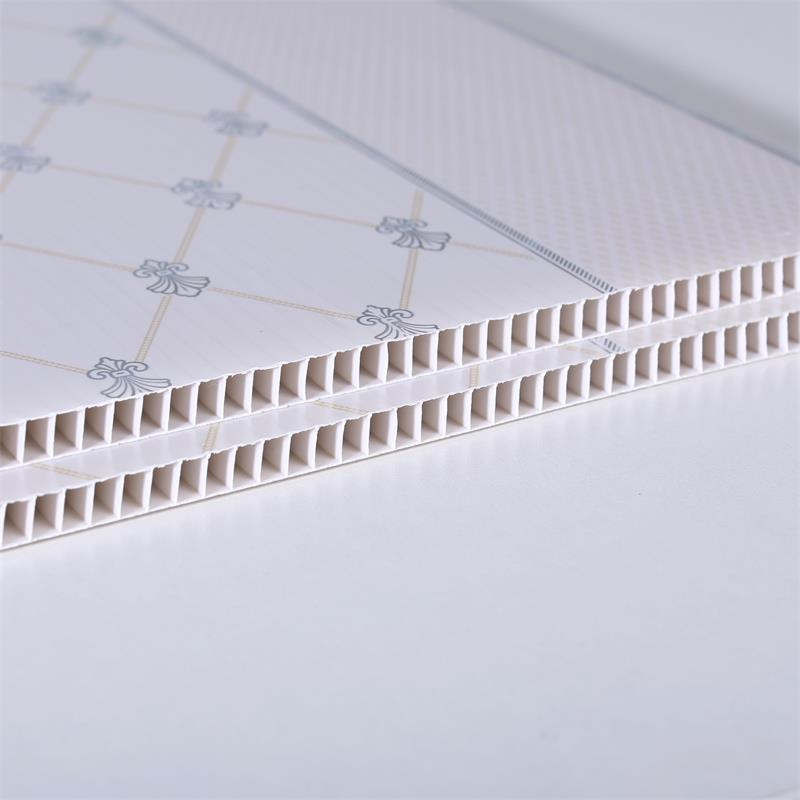
When comparing PVC ceilings and gypsum ceilings, the material composition is fundamental. PVC ceilings are constructed from polyvinyl chloride, a lightweight and durable synthetic plastic. This makes them an excellent choice for various applications, especially where ease of installation is a priority. In contrast, gypsum ceilings are made from natural gypsum, a mineral that is heavier and denser. This density contributes to their strength but also makes them more challenging to handle during installation.
Weight Differences:
● PVC Ceilings: Typically weigh around 2-3 kg per square meter, allowing for quick handling and installation. This lightweight nature means fewer structural reinforcements are needed, making DIY projects more feasible.
● Gypsum Ceilings: Weigh approximately 8-12 kg per square meter, necessitating additional support structures. This added weight can complicate installation and often requires professional expertise.
This weight difference significantly impacts the installation process. PVC ceilings can often be installed in a fraction of the time compared to gypsum ceilings, making them ideal for quick renovations or new constructions.
Moisture resistance is crucial when selecting ceiling materials, especially in areas like kitchens and bathrooms. PVC ceilings excel in this aspect, as they are completely waterproof. This characteristic makes them ideal for humid environments, where mold and mildew can be a concern. They do not absorb moisture, ensuring that they maintain their structural integrity over time.
Gypsum Ceiling Performance:
● Gypsum ceilings, on the other hand, are porous and can absorb moisture. This makes them susceptible to warping or mold growth if exposed to high humidity levels without proper treatment.
Practical Implications:
● Kitchens and Bathrooms: PVC ceilings are the go-to choice for these spaces due to their excellent moisture resistance. They can be easily cleaned and maintained, ensuring a hygienic environment.
● Living Areas: Gypsum ceilings may be suitable in dry environments but require careful maintenance in humid conditions. Homeowners must be vigilant about potential moisture damage, especially in areas prone to steam or spills.
Fire safety is another critical consideration when choosing between PVC and gypsum ceilings. Gypsum ceilings offer inherent fire resistance due to the properties of gypsum, which can withstand high temperatures without releasing harmful gases. This makes them a safer option in residential and commercial settings, where fire regulations are strict.
Safety Features:
● Gypsum Ceilings: Comply with fire safety standards and often achieve Class A fire ratings, providing peace of mind in case of emergencies.
● PVC Ceilings: While they may meet some safety standards, they can release toxic fumes when burned, posing potential hazards in extreme heat conditions. This is particularly concerning in areas where fire safety is paramount.
When it comes to design, both PVC and gypsum ceilings offer unique aesthetic options. PVC ceilings come in a variety of colors, patterns, and textures, allowing for customization that suits different interior styles. They can mimic the look of traditional materials such as wood or stone while being practical.
Customization Options:
● PVC Ceilings: Available in numerous designs, perfect for modern and minimalist themes. They can also include decorative elements like moldings or integrated lighting.
● Gypsum Ceilings: Can be painted or decorated, allowing for intricate designs and high-end finishes. They are particularly favored for their smooth surfaces, which can support detailed patterns and textures.
Feature | PVC Ceilings | Gypsum Ceilings |
Material | Polyvinyl Chloride | Gypsum Board |
Design Options | Various colors and patterns | Customizable with paint |
Aesthetic Impact | Modern and sleek | Classic and elegant |
Sound insulation is an important factor in both residential and commercial settings. Gypsum ceilings provide superior soundproofing capabilities, making them ideal for spaces where noise reduction is essential, such as offices, conference rooms, and bedrooms. Their dense structure effectively absorbs sound, minimizing noise transfer between rooms.
Comparison:
● PVC Ceilings: Offer basic sound insulation but are not as effective as gypsum. They may be suitable for areas where sound control is not a primary concern.
● Gypsum Ceilings: Excellent at absorbing sound, creating quieter environments. This makes them a preferred choice in multi-family dwellings or commercial spaces requiring privacy.
The installation process varies significantly between PVC and gypsum ceilings.
Installation Steps for PVC Ceilings:
1. Measure the Ceiling Area: Accurate measurements ensure a precise fit.
2. Cut PVC Panels to Size: Use a saw or utility knife for clean cuts.
3. Attach Panels Directly: Use adhesive or clips for quick installation. This can often be a DIY project, saving on labor costs.
Installation Steps for Gypsum Ceilings:
1. Prepare the Framework: Install metal or wooden studs for support.
2. Cut Gypsum Boards to Fit: Ensure each piece fits snugly against the framework.
3. Secure Boards Using Screws: This process is more labor-intensive and typically requires professional installation.
Labor Intensity:
● PVC Ceilings: Quick and suitable for DIY projects, allowing homeowners to save on installation costs.
● Gypsum Ceilings: More labor-intensive, often requiring professionals for proper installation. This can lead to higher overall project costs.
Maintenance requirements differ for PVC and gypsum ceilings. PVC ceilings are easy to clean; a simple wipe with a damp cloth is often sufficient. They are also resistant to wear and tear, ensuring longevity.
Gypsum Ceiling Maintenance:
● Requires regular painting and may need repairs if damaged by moisture. Homeowners must be proactive in maintaining their condition, especially in humid areas.
Durability Comparison:
● PVC Ceilings: Long-lasting and resistant to aging and deformity. They can maintain their appearance and functionality for many years.
● Gypsum Ceilings: Can last over a decade but are susceptible to moisture damage. In areas with high humidity, they may require more frequent replacements.
Feature | PVC Ceilings | Gypsum Ceilings |
Maintenance | Low maintenance | Requires regular upkeep |
Longevity | Highly durable | Durable but moisture-sensitive |
When considering the costs associated with ceiling materials, both PVC and gypsum ceilings present different pricing structures. PVC ceilings typically range from $2 to $5 per square foot, depending on the design and thickness. For larger projects, buying in bulk can lead to significant savings, sometimes reducing the cost to as low as $1.50 per square foot. This makes PVC an attractive option for budget-conscious homeowners and contractors alike.
Gypsum ceilings, on the other hand, generally cost between $3 and $7 per square foot. The price varies based on the quality of the gypsum board and the complexity of the installation. Additionally, when factoring in the costs of necessary materials like screws and joint compound, the total can rise significantly.
Ceiling Type | Price Range (per sq. ft.) | Bulk Pricing (per sq. ft.) |
PVC Ceilings | $2 - $5 | $1.50 - $4 |
Gypsum Ceilings | $3 - $7 | N/A |
While the initial investment is an important factor, the long-term value should also be considered. PVC ceilings may have a higher upfront cost compared to some gypsum options, but their durability and low maintenance requirements often lead to lower costs over time. They are resistant to moisture and damage, which means fewer repairs and replacements.
Gypsum ceilings, while aesthetically pleasing and effective for sound insulation, may incur higher long-term costs due to their susceptibility to moisture. In humid areas, they can warp or develop mold, leading to potential replacements or repairs.
For budget-conscious consumers, cost-effectiveness is crucial. When analyzing the overall budget, installation costs must also be taken into account. PVC ceilings are easier and quicker to install, often allowing homeowners to take on the project themselves. This can save hundreds, if not thousands, in labor costs.
On the flip side, gypsum ceilings typically require professional installation due to their weight and complexity. This can significantly increase the overall project cost.
Considerations for Cost-Effectiveness:
● DIY Potential: PVC ceilings can often be installed by homeowners, reducing labor costs.
● Maintenance Costs: PVC ceilings require minimal upkeep, while gypsum ceilings may need regular maintenance and repairs, impacting long-term expenses.
Cost Factor | PVC Ceilings | Gypsum Ceilings |
Installation | DIY-friendly, lower costs | Professional installation needed, higher costs |
Maintenance | Low maintenance | Requires regular upkeep |
Long-term Value | Durable, cost-effective | Prone to moisture issues |
When it comes to environmental impact, the choice between PVC ceilings and gypsum ceilings raises important considerations. PVC, or polyvinyl chloride, is a synthetic plastic that is widely used in construction. However, its production process can be quite harmful to the environment. The manufacturing of PVC involves the release of harmful chemicals and pollutants, which can contribute to air and water pollution.
Disposal of PVC:
● PVC is not biodegradable and can take hundreds of years to decompose in landfills. This raises concerns about long-term environmental effects, especially as plastic waste continues to accumulate globally. Recycling options for PVC are limited, making it less eco-friendly compared to other materials.
On the other hand, gypsum is a natural mineral that is abundant and widely used in construction. It is considered more environmentally friendly due to several factors:
1. Natural Composition: Gypsum is derived from natural sources and does not involve harmful chemicals in its production.
2. Biodegradability: Gypsum is biodegradable, which means it can break down naturally over time without causing long-term harm to the environment.
Considerations for Eco-Conscious Consumers:
● When choosing between PVC and gypsum ceilings, eco-conscious consumers should weigh the environmental impacts of each material. Gypsum's natural properties make it a more sustainable choice, especially for those concerned about plastic pollution and waste.
● Additionally, the energy used in the production and transportation of these materials should also be considered. Gypsum typically has a lower carbon footprint compared to PVC.
Feature | PVC Ceilings | Gypsum Ceilings |
Production Impact | Harmful chemicals, pollution | Natural mineral, eco-friendly |
Biodegradability | Non-biodegradable | Biodegradable |
Recycling Options | Limited recycling potential | Easily recyclable |
Ultimately, both materials have their pros and cons, but for those prioritizing environmental sustainability, gypsum ceilings present a more eco-friendly option. These considerations are increasingly important as consumers seek to make responsible choices for their homes and the planet.
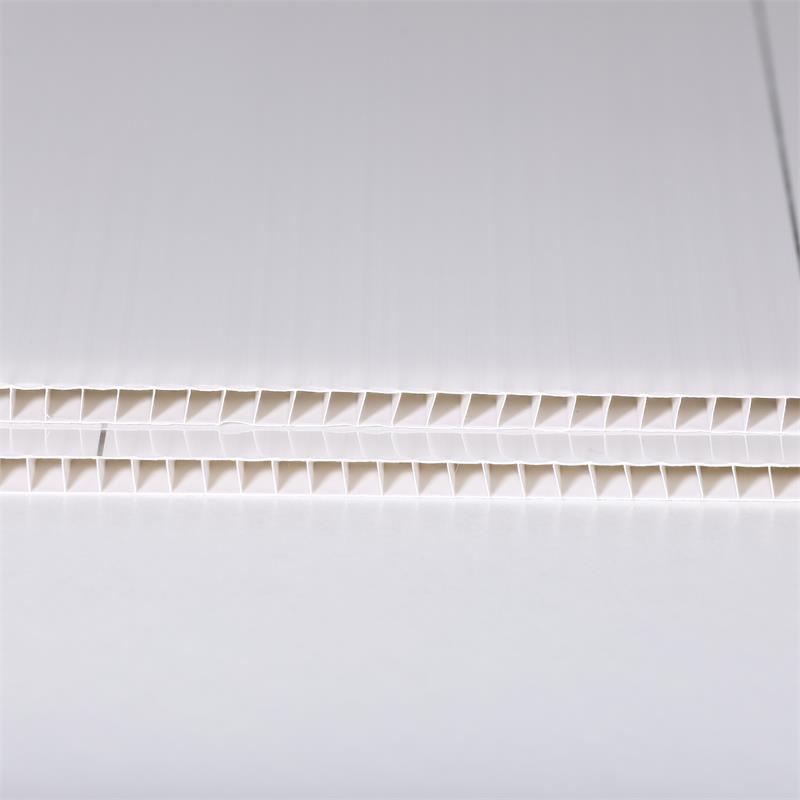
PVC ceilings are an excellent option for specific scenarios and environments. They shine in areas where moisture is a concern, such as kitchens, bathrooms, and laundry rooms. Their waterproof nature makes them resistant to mold and mildew, which is a significant advantage in humid conditions.
Benefits of PVC Ceilings:
● Cost-Effectiveness: Generally, PVC ceilings are more affordable than gypsum options, both in terms of material costs and installation. They often come in bulk pricing, further enhancing their value for large projects.
● Easy Installation: PVC ceilings are lightweight and can be installed quickly, often by homeowners themselves. This DIY potential can lead to substantial savings on labor costs.
● Variety of Designs: Available in numerous colors and patterns, PVC ceilings can easily complement various interior styles, from modern to traditional.
Feature | PVC Ceilings |
Ideal Environments | Kitchens, bathrooms, laundry rooms |
Key Benefits | Cost-effective, moisture-resistant, easy to install |
Gypsum ceilings are preferred in different scenarios, particularly when aesthetics and sound insulation are priorities. They are ideal for living rooms, dining areas, and offices, where a high-end finish and acoustic performance are essential. Gypsum ceilings provide a smooth, elegant look that can enhance the overall ambiance of a space.
Benefits of Gypsum Ceilings:
● High-End Aesthetics: Gypsum ceilings offer a sophisticated appearance, making them suitable for upscale interiors. They can be painted or textured to achieve various design styles.
● Sound Insulation: Their dense structure provides excellent soundproofing, making them a great choice for bedrooms, theaters, and multi-family dwellings where noise reduction is important.
● Fire Resistance: Gypsum ceilings have inherent fire-resistant properties, adding an extra layer of safety in residential and commercial buildings.
Feature | Gypsum Ceilings |
Ideal Environments | Living rooms, offices, theaters |
Key Benefits | Aesthetic appeal, sound insulation, fire resistance |
In summary, the decision to choose between PVC and gypsum ceilings depends on the specific needs of your space. By considering factors like moisture levels, desired aesthetics, and budget, you can make an informed choice that best suits your requirements.
In this article, we explored the differences between PVC ceilings and gypsum ceilings.
PVC ceilings are cost-effective, moisture-resistant, and easy to install, making them ideal for humid areas.
Gypsum ceilings offer high-end aesthetics, excellent sound insulation, and fire resistance, perfect for elegant spaces.
Ultimately, consider your specific needs and preferences when choosing between PVC ceiling vs gypsum ceiling.
Making an informed decision will ensure you select the best option for your home.


